
Where possibilities begin

Created by - The NGO Leadership Academy
Building Resilient NGOs Amid Economic Uncertainty
Economic Volatility Is Here to Stay Currency volatility, inflation, and economic uncertainty in several African economies have added a difficult layer of complexity to NGO financial management in recent years. Budgets set in one currency and spent in another can shift significantly in value over a single project cycle, and rising costs of goods and transport eat into programme budgets that donors often expect to remain fixed. Financial Resilience Strategies Resilient organisations have adapted their financial practices in response. Some negotiate budgets and reporting in more stable currencies where donors allow it, or build modest contingency lines directly into project budgets to absorb currency and inflation shocks. Others have shifted toward more frequent, shorter‑term financial forecasting rather than relying solely on annual budgets that quickly become outdated in volatile conditions. Beyond Financial Mechanics Beyond financial mechanics, resilience also shows up in organisational culture: Transparent communication with staff about financial pressures, rather than surprise cuts. Diversified supplier relationships – which provide some negotiating power when costs rise. Honest, proactive conversations with donors about the real impact of economic conditions on programme delivery. Practical Steps for Leaders Conduct a currency risk assessment and develop hedging strategies (e.g., convert grants into local currency as soon as received). Build a contingency fund equal to at least 3‑6 months of core operating costs. Review all expenditure categories monthly to identify cost‑saving opportunities. Develop a 'financial resilience dashboard' that tracks key indicators (liquidity ratio, days payable outstanding, grant pipeline). Case: 'EduAction' in Zambia EduAction faced a 30% inflation spike in 2025. They responded by renegotiating supplier contracts, switching to local procurement, and implementing a rolling 3‑month budget forecast. These measures allowed them to maintain programme quality without requesting additional funds from donors. Key takeaway: Economic volatility isn't going away. NGOs that build genuine financial resilience – not just careful budgeting, but adaptive systems and honest donor relationships – are far better positioned to protect their programmes and their people through difficult periods.
More detailsPublished - Sun, 23 Aug 2026
Created by - The NGO Leadership Academy
Partnerships Over Charity: The New Model for African Development
Beyond the Recipient Narrative There's a quiet but significant shift underway in how African NGOs frame their relationships with international partners: away from the language of aid recipient and donor, and toward genuine partnership. This isn't simply rhetorical. It shows up in contract terms, in who sets programme priorities, and in who gets credited for results. What True Partnership Looks Like True partnership involves: Co‑design – international partners do not deliver finished project designs for local implementation; they co‑create with local teams from the start. Shared decision‑making – budget authority and strategic direction are jointly governed. Mutual accountability – both sides are answerable to each other and to beneficiaries. Equitable credit – local staff are co‑authors on evaluations, case studies, and publications. Building the Capacity for Partnership Organisations pushing this shift successfully tend to lead with evidence rather than argument: demonstrating strong local knowledge, credible monitoring systems, and a track record of results that makes the case for equal partnership on its own merits. They also invest deliberately in the areas where international partners have historically retained control – financial systems, governance, and evaluation capacity – closing the gaps that partners sometimes use to justify continued oversight. Success Story: 'Sierra Leone Health Alliance' The Alliance, a consortium of local health NGOs, negotiated a partnership with a large international INGO where they jointly managed a maternal health programme. They set up a co‑steering committee with equal representation, shared the budget, and co‑published the final evaluation. The result: better programme outcomes, stronger local ownership, and a model that has been replicated in three other countries. Challenges and How to Overcome Them Power imbalances don't disappear overnight. International partners may be reluctant to cede control, and local NGOs may lack the administrative capacity to take on full responsibility. The solution is a gradual, phased approach: start with a pilot area, co‑develop systems, and build trust over time. The shift from charity to partnership won't happen through good intentions alone. It requires African organisations willing to build the institutional capacity that makes partnership credible, and international partners willing to genuinely share power once that capacity exists.
More detailsPublished - Sun, 23 Aug 2026

Created by - The NGO Leadership Academy
How Remote Work Is Changing NGO Operations in Africa
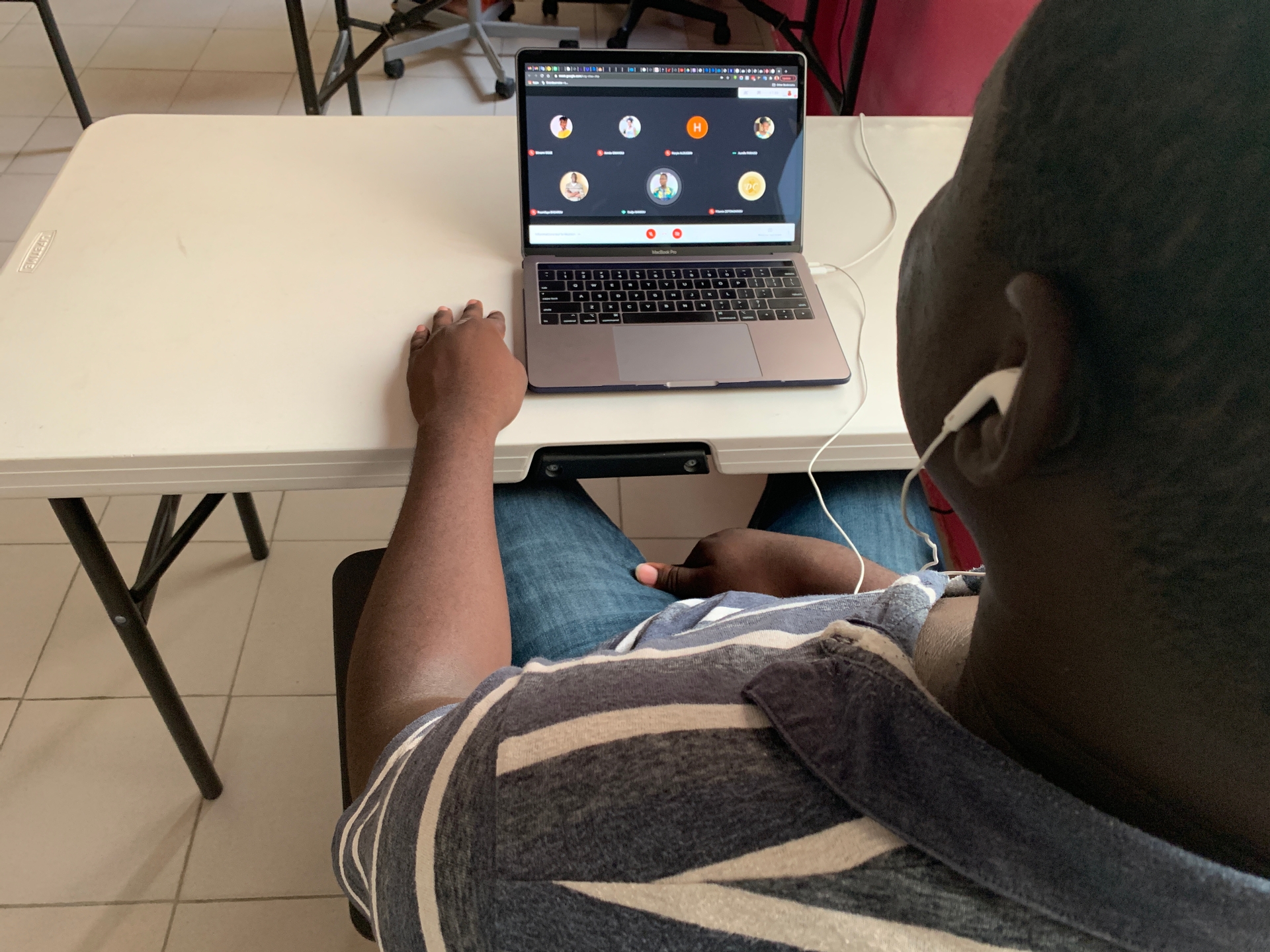
The New Normal Remote and hybrid work, accelerated by the pandemic years and now firmly embedded in many African NGOs, has changed more than where staff sit. It has reshaped recruitment, team culture, and even organisational structure across the sector. Recruitment and Talent Access Organisations can now recruit talented staff regardless of location – a programme manager doesn't need to relocate to headquarters, and a specialist skill gap can be filled by someone working from an entirely different city or country. This has been particularly valuable for smaller NGOs competing for talent against larger, better‑resourced organisations, since remote roles widen the available talent pool significantly. Challenges to Address The challenges are real too. Field‑based programme staff often cannot work remotely in the same way as head‑office roles, creating a two‑tier experience that requires deliberate management attention to avoid resentment or disconnect. Building genuine team culture and trust across a distributed team takes more intentional effort than it does in a single office, and reliable internet connectivity remains inconsistent across parts of the continent, limiting how fully some organisations can embrace remote models. Best Practices for Remote‑First NGOs Organisations managing this transition well have been explicit about which roles can be remote and why, invested in regular in‑person gatherings to maintain team cohesion, and built management practices – clear expectations, regular check‑ins – designed specifically for distributed teams rather than simply adapting in‑office habits. Case Example: 'Remote Health Africa' This tele‑health NGO has team members in Nigeria, Kenya, and South Africa. They hold a weekly virtual all‑hands meeting, use Slack for daily communication, and have an annual retreat. Their productivity has increased by 25% since going fully remote, and they've been able to hire top talent from across the continent. Takeaway: Remote work is here to stay, but it requires a deliberate, human‑centred approach. NGOs that invest in building a strong remote culture will reap the rewards of a more diverse, flexible, and resilient workforce.
More detailsPublished - Sun, 23 Aug 2026

Created by - The NGO Leadership Academy
Grant Writing Mistakes That Cost African NGOs Funding
Why Good Ideas Get Rejected After reviewing hundreds of unsuccessful grant applications, a clear pattern of common, avoidable mistakes emerges – and most have nothing to do with the quality of the underlying programme work. The Top 5 Mistakes Mismatch with donor priorities – applicants submit a strong general programme description without tailoring it to the specific language and priorities in the call for proposals, signalling to reviewers that the organisation didn't read closely or doesn't genuinely fit the opportunity. Vague outcome statements – proposals that promise to 'improve community wellbeing' without defining what that means or how it will be measured struggle to convince reviewers that the organisation has a clear plan. Misaligned budget and narrative – a proposal describing extensive community engagement activities but with no corresponding budget line for transport or facilitation raises immediate red flags for experienced reviewers. Missing attachments – failing to include required documents like the registration certificate, financial statements, or CVs of key staff. Late submission – due to last‑minute technical issues, often because teams start the application process too late. How to Fix Them None of these mistakes require a stronger programme to fix – they require a more disciplined proposal development process. Key steps: Start working on the proposal at least 4‑6 weeks before the deadline. Create a checklist of all required attachments and donor guidelines. Have a colleague outside the writing team review the draft against the original call. Double‑check the budget to ensure every activity has a corresponding cost. Submit at least 24 hours before the deadline to avoid last‑minute technical glitches. Case Study: Turning Rejection into Success An education NGO in Ghana had been rejected twice for a well‑known foundation grant. On their third attempt, they hired a freelance grant writer to review their proposal. The writer identified that their objectives were too broad and their budget didn't match the narrative. After revising, they were awarded $500,000 – and have since secured two more grants from the same donor. Takeaway: Grant writing is a skill that can be learned and refined. Avoiding these common mistakes dramatically increases your chances of funding success.
More detailsPublished - Sun, 23 Aug 2026

Created by - The NGO Leadership Academy
The Role of Data Storytelling in Nonprofit Advocacy
Turning Numbers into Narrative Data alone rarely changes minds. The NGOs most effective at advocacy have learned to pair rigorous evidence with genuine storytelling – combining the credibility of data with the emotional resonance that moves policymakers and the public to act. Principles of Effective Data Storytelling Effective data storytelling starts with a clear, single message rather than an exhaustive data dump. Instead of presenting twenty indicators, the strongest advocacy pieces lead with the one or two numbers that matter most for the specific audience and decision at hand, then use narrative and human stories to make that number feel real and urgent. Visualisation and Design Visual presentation matters more than many organisations realise. A single, well‑designed chart communicates faster and more persuasively than a page of tables, and simple infographics travel far better on social media than detailed reports ever will. Tools like Canva, Datawrapper, and Flourish make it easy to create compelling visuals even without a design team. Maintaining Rigour Critically, effective data storytelling maintains rigour even while simplifying for impact – numbers should never be presented in misleading ways, even in service of a compelling narrative, since credibility lost through overstatement is difficult to rebuild with policymakers and donors who track an organisation's claims over time. Example: 'Clean Water for All' Campaign This advocacy coalition used a single statistic – '80% of rural schools lack clean water' – combined with a short video of a student walking for water. They presented this to parliament, accompanied by a simple bar chart showing the gap. Within six months, the government committed to a $10 million investment in school water infrastructure. Takeaway: Investing in data storytelling – pairing solid M&E data with genuine narrative craft – consistently helps NGOs punch above their weight in advocacy spaces dominated by larger, better‑resourced actors.
More detailsPublished - Sun, 23 Aug 2026
Created by - The NGO Leadership Academy
Governance Pitfalls That Undermine African Nonprofits
Why Governance Matters Weak governance is one of the most common reasons promising African NGOs stall, lose funding, or collapse entirely – and the warning signs are often visible well before a crisis hits. Three Major Pitfalls Board capture by the founder – a founding executive director who also effectively controls board decisions, with board members who are personal friends or family unwilling to provide genuine oversight. This arrangement can work while things go well, but leaves no real accountability mechanism when problems emerge. Unclear financial oversight – boards that receive financial reports but lack the expertise or independence to meaningfully scrutinise them, effectively rubber‑stamping decisions rather than governing them. Absent succession planning – many African NGOs remain entirely dependent on a single founding leader, with no plan for what happens if that person leaves, becomes ill, or simply burns out after years of unsustainable commitment. Building Strong Governance The organisations that avoid these pitfalls treat governance as an active practice, not a compliance checkbox: Recruit board members for genuine independence and relevant expertise rather than personal connection. Build financial literacy at board level – regular briefings on financial statements. Start succession conversations years before they become urgent – develop a pipeline of potential leaders. Conduct annual board self‑assessments to identify areas for improvement. Case: How 'Women's Hope' Turned Around Women's Hope, a feminist NGO in Uganda, faced a governance crisis when its founder was accused of financial impropriety. The board, which had been passive, took swift action: they appointed an independent investigator, suspended the founder pending results, and brought in interim leadership. They then overhauled their governance policies, recruited new independent members, and established a finance sub‑committee. The organisation survived and is now stronger, with a clear separation of board and management. Takeaway: Strong governance rarely makes headlines, but its absence eventually does – usually at the worst possible moment. Proactive governance is an investment in long‑term sustainability.
More detailsPublished - Sun, 23 Aug 2026
Created by - The NGO Leadership Academy
Climate Finance Access for Grassroots African Organizations
The Climate Finance Gap Climate finance flowing to Africa has grown substantially in recent years, but a persistent gap remains between the scale of funding available and the ability of grassroots organisations – often best positioned to deliver locally relevant climate adaptation work – to access it. Why Grassroots Organisations Struggle Much climate finance is structured for large‑scale, technically complex projects, funnelled through national governments or large international intermediaries. Grassroots organisations doing genuinely effective community‑level adaptation work – water harvesting, climate‑resilient agriculture, community‑based early warning systems – often lack the technical proposal‑writing capacity or co‑financing requirements that major climate funds demand. Pathways to Access Organisations successfully accessing this funding have found a few consistent pathways: Partnering with larger organisations – research institutions or international NGOs that can meet technical and reporting requirements while the grassroots organisation focuses on implementation. Building relationships with intermediary funds – such as the Adaptation Fund or Global Environment Facility small‑grants programme, which are designed to re‑grant to smaller local organisations. Investing in proposal‑writing capacity – training staff or hiring freelance grant writers familiar with climate finance language. Success Story: 'Sahel Green' in Burkina Faso Sahel Green, a community‑based organisation, secured a $200,000 grant from the UNDP's Small Grants Programme by partnering with a national research institute for the technical components. They implemented a successful agroforestry project that restored 500 hectares of degraded land and improved food security for 2,000 households. Strategic Advice Start by mapping the climate finance landscape in your country. Identify all relevant funds and their eligibility criteria. Build relationships with national climate change focal points. And don't underestimate the importance of a well‑written, evidence‑based proposal – many grassroots organisations have the impact data but lack the story to tell it. As climate finance continues to grow, closing this access gap matters not just for individual organisations, but for the effectiveness of climate adaptation funding overall – since the organisations closest to affected communities are often best placed to design solutions that actually work locally.
More detailsPublished - Sun, 23 Aug 2026

Created by - The NGO Leadership Academy
Building Donor Trust Through Transparent Financial Reporting
Trust Is Earned Through Transparency Trust, once damaged, is expensive to rebuild – and financial transparency remains one of the most direct ways African NGOs can build and protect donor trust over time. What Transparent Reporting Looks Like Transparent reporting goes beyond simply submitting required financial reports on time, though that baseline matters. The organisations that build genuine donor trust: Proactively share both successes and setbacks – they don't just report good news; they explain challenges honestly. Explain budget variances – if a project underspends or overspends, they provide clear, logical reasons. Make reports reader‑friendly – they avoid jargon and present financial information in a way that a non‑finance person can understand. Publish simplified annual financial summaries – even for organisations without a legal requirement, this signals a culture of openness. Internal Checks and Balances Some organisations have found value in inviting a board member or independent reviewer to spot‑check financial reports before they go to major donors, catching errors or unclear explanations before a funder does. Case: 'NGO A' vs 'NGO B' Two health NGOs in East Africa received the same grant from the same donor. NGO A submitted reports late, with unexplained variances and jargon‑laden narratives. NGO B submitted early, provided a simple variance explanation, and included a one‑page summary with visuals. After three years, the donor renewed only NGO B's grant, citing 'transparent financial management' as a key factor. Practical Steps Financial transparency is sometimes treated as a compliance burden, something done only because donors require it. Reframed as a trust‑building practice rather than an obligation, it becomes a genuine competitive advantage – donors increasingly choose to fund organisations that make understanding their finances easy, in a sector where that is still far from universal. Takeaway: Transparency is not about being perfect; it's about being open. Donors will trust you more if you are honest about challenges and show that you are learning and improving.
More detailsPublished - Sun, 23 Aug 2026

Created by - The NGO Leadership Academy
The Rise of Social Enterprises Within the NGO Sector
Blurring the Lines A growing number of African NGOs are experimenting with earned‑income models – training programmes that charge modest fees, agricultural cooperatives that sell produce, or consulting services offered to other organisations – blurring the traditional line between nonprofit and social enterprise. Why Social Enterprise? The appeal is straightforward: earned income offers a funding stream not dependent on donor priorities or grant cycles, providing genuine financial resilience that pure grant‑dependency cannot. It can also, in some cases, more directly serve beneficiaries by providing employment or market access alongside – or instead of – direct aid. Real‑World Examples Agri‑cooperatives – NGOs like Farm Africa have helped farmer groups sell produce to commercial buyers, generating income that sustains their operations. Training and consulting – organisations like Management Sciences for Health offer paid training to other NGOs and government agencies. Product sales – Mama's Hub in Kenya produces and sells affordable sanitary products, using profits to fund its education programmes. Challenges and Risks The transition is not without real challenges. Running a viable earned‑income activity requires business skills – pricing, marketing, operations – that many NGO teams haven't developed, and a poorly executed social enterprise can drain organisational resources and staff time without ever becoming self‑sustaining. Legal and regulatory structures for blending nonprofit and commercial activity also vary significantly across African countries and are not always straightforward to navigate. How to Start Organisations succeeding with this model tend to start small, piloting an earned‑income activity alongside existing programmes rather than betting the organisation on it immediately, and bringing in genuine business expertise – through hiring or partnership – rather than assuming programme staff can simply add commercial skills on top of existing roles. Takeaway: Social enterprise is not a panacea, but for NGOs with a clear market opportunity and the willingness to learn business skills, it can be a powerful tool for diversification and sustainability.
More detailsPublished - Sun, 23 Aug 2026
Popular categories
Funding & Fundraising
4Sector Trends
4Program Impact & Learning
4Technology & Innovation
4Governance & Compliance
4Latest blogs

Digital Skills Gaps Facing African NGO Staff
Sun, 23 Aug 2026

Safeguarding in Practice: Protecting Beneficiaries and Staff
Sun, 23 Aug 2026

The Rise of Social Enterprises Within the NGO Sector
Sun, 23 Aug 2026